Strength Through Solidarity: Grievance Committee Members Convene in Philadelphia
Strength Through Solidarity: Grievance Committee Members Convene in Philadelphia
PHILADELPHIA – Hundreds of Grievance Committee Members from the Machinists Union gathered in Philadelphia to discuss the future of work in the airline industry.
A major focus of the deliberations was the upcoming contract negotiations at American and United Airlines, both of which are likely to fall under Section 6 of the Railway Labor Act, often referred to simply as “Section 6.”
Last year, Union Negotiators were optimistic that Section 6 could be avoided at United Airlines in favor of an expedited process that would have delivered an agreement to union members much faster. The carrier had initially agreed to keep the negotiations focused on a few contractual provisions deemed critical to front-line union members. Unfortunately, the company began using endless stalling tactics that threatened to drag negotiations out indefinitely, making the expedited process impossible.
Section 6 outlines the procedure for amending and renegotiating existing collective bargaining agreements in the airline and railroad sectors. Typically, Section 6 negotiations can take several years to complete.
The Railway Labor Act was initially established to prevent disruptions in interstate commerce due to strikes and other job actions that could create economic havoc. The Act mandates that both parties, in this case, the union and the airlines, engage in extended discussions once changes to the prevailing agreement are proposed. These changes can encompass rates of pay, rules, or working conditions. A critical aspect of Section 6 is its emphasis on maintaining the status quo during negotiations, preventing companies from unilaterally imposing pay cuts, mass layoffs, or other policy changes.
The conference, held within the historic Penns Landing area of Philadelphia, zeroed in on the upcoming Section 6 contract negotiations at industry giants United Airlines and American Airlines. These negotiations are set to redefine standards for pay, working conditions, and work-life balance for thousands, impacting both union and non-union workers, but are showing signs they may be lengthy.
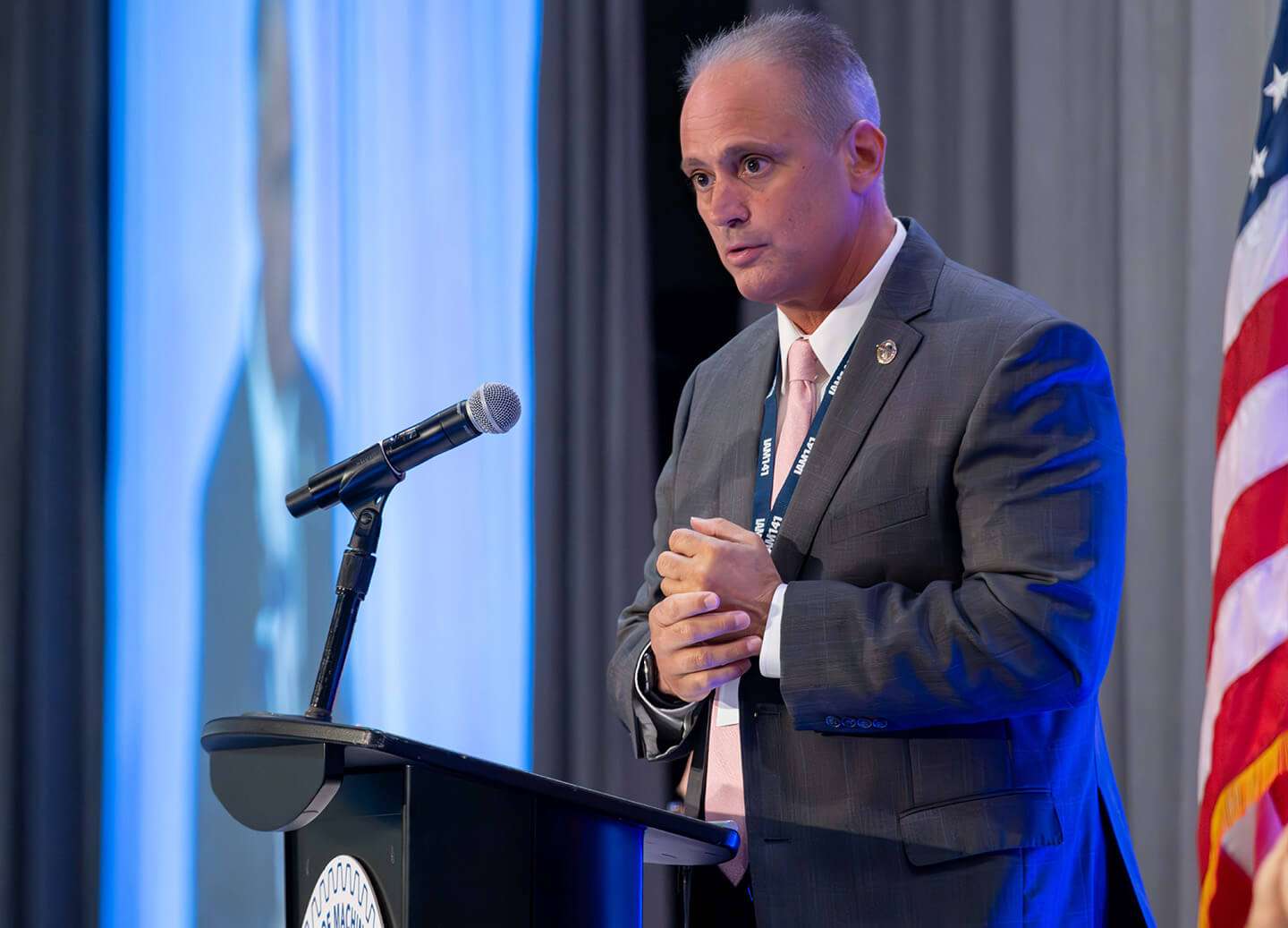
Tom Regan, Airline Coordinator for the Machinists Union Air Transport Territory, and Mike Klemm, President and Directing General Chair of Machinists District 141, were among the luminaries who addressed the attendees.
The event was hosted by Larry Reeves from Local Lodge 1776 in Philadelphia.
Machinists Union District 141 includes 40,000 airline workers at American, Hawaiian, Philippine, Spirit, and United Airlines. The union’s reach in commercial aviation means that decisions made by union members will shape the rest of the industry.
The pandemic’s aftermath saw a strategic move by airlines to encourage senior agents towards early retirement. This strategy has led to a scenario where nearly half of all airline workers are relatively new to the industry. Many of these workers, coming from non-union professional backgrounds, are still acclimatizing to the nuances of the collective bargaining process and union dynamics. President Klemm’s call to action emphasized the need for seasoned committee members to mentor and engage these newcomers.
The conference also highlighted the altered dynamics between airlines and union grievance committees in the wake of the pandemic. With many workers being novices in the industry, there exists a gap between their union action expectations and the realistic outcomes. Addressing this gap is pivotal, according to District President Klemm.


Related News
Machinists Union Integral in 737 Max Recertification, Safety Improvements
The Federal Aviation Administration (FAA) has lifted the grounding of the 737 Max, clearing the way for airlines to begin scheduling flights in the upcoming months. The move comes after more than a year of the IAM partnering with the FAA and Congress to ensure the...
IAMAW International President Robert Martinez Talks Election, Unity on LCLAA Podcast
IAM International President Robert Martinez Jr. recently joined the Labor Council for Latin American Advancement (LCLAA) podcast “El Desvio, Many Roads, one Destination.” Martinez discusses the recent presidential election, COVID-19, and how organizations like the IAM...
Managing Pandemic Stress in a Healthy Way: EAP Director, Bryan Hutchinson
141 Report: Employee Assistance Director, Bryan HutchinsonThe pandemic has hit airline workers particularly hard, creating a climate of job insecurity, isolation and the potential for addiction. This week, IAMAW District 141 EAP Director Bryan Hutchinson sits down...
Stay up to date with all the latest news and information from the District 141 of the Machinists Union
Strength Through Solidarity: Grievance Committee Members Convene in Philadelphia
October 12, 2023
PHILADELPHIA – Hundreds of Grievance Committee Members from the Machinists Union gathered in Philadelphia to discuss the future of work in the airline industry.
A major focus of the deliberations was the upcoming contract negotiations at American and United Airlines, both of which are likely to fall under Section 6 of the Railway Labor Act, often referred to simply as “Section 6.”
Last year, Union Negotiators were optimistic that Section 6 could be avoided at United Airlines in favor of an expedited process that would have delivered an agreement to union members much faster. The carrier had initially agreed to keep the negotiations focused on a few contractual provisions deemed critical to front-line union members. Unfortunately, the company began using endless stalling tactics that threatened to drag negotiations out indefinitely, making the expedited process impossible.
Section 6 outlines the procedure for amending and renegotiating existing collective bargaining agreements in the airline and railroad sectors. Typically, Section 6 negotiations can take several years to complete.
The Railway Labor Act was initially established to prevent disruptions in interstate commerce due to strikes and other job actions that could create economic havoc. The Act mandates that both parties, in this case, the union and the airlines, engage in extended discussions once changes to the prevailing agreement are proposed. These changes can encompass rates of pay, rules, or working conditions. A critical aspect of Section 6 is its emphasis on maintaining the status quo during negotiations, preventing companies from unilaterally imposing pay cuts, mass layoffs, or other policy changes.
The conference, held within the historic Penns Landing area of Philadelphia, zeroed in on the upcoming Section 6 contract negotiations at industry giants United Airlines and American Airlines. These negotiations are set to redefine standards for pay, working conditions, and work-life balance for thousands, impacting both union and non-union workers, but are showing signs they may be lengthy.
Tom Regan, Airline Coordinator for the Machinists Union Air Transport Territory, and Mike Klemm, President and Directing General Chair of Machinists District 141, were among the luminaries who addressed the attendees.
The event was hosted by Larry Reeves from Local Lodge 1776 in Philadelphia.
Machinists Union District 141 includes 40,000 airline workers at American, Hawaiian, Philippine, Spirit, and United Airlines. The union’s reach in commercial aviation means that decisions made by union members will shape the rest of the industry.
The pandemic’s aftermath saw a strategic move by airlines to encourage senior agents towards early retirement. This strategy has led to a scenario where nearly half of all airline workers are relatively new to the industry. Many of these workers, coming from non-union professional backgrounds, are still acclimatizing to the nuances of the collective bargaining process and union dynamics. President Klemm’s call to action emphasized the need for seasoned committee members to mentor and engage these newcomers.
The conference also highlighted the altered dynamics between airlines and union grievance committees in the wake of the pandemic. With many workers being novices in the industry, there exists a gap between their union action expectations and the realistic outcomes. Addressing this gap is pivotal, according to District President Klemm.
Related
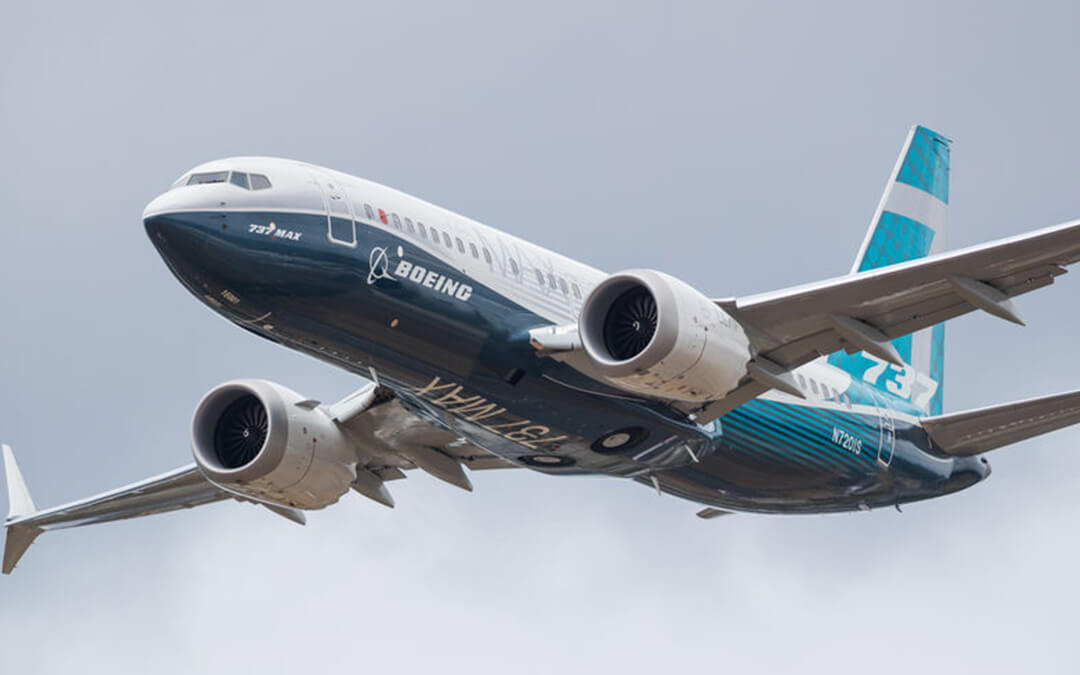
Machinists Union Integral in 737 Max Recertification, Safety Improvements
The Federal Aviation Administration (FAA) has lifted the grounding of the 737 Max, clearing the way for airlines to begin scheduling flights in the upcoming months. The move comes after more than a year of the IAM partnering with the FAA and Congress to ensure the...
IAMAW International President Robert Martinez Talks Election, Unity on LCLAA Podcast
IAM International President Robert Martinez Jr. recently joined the Labor Council for Latin American Advancement (LCLAA) podcast “El Desvio, Many Roads, one Destination.” Martinez discusses the recent presidential election, COVID-19, and how organizations like the IAM...
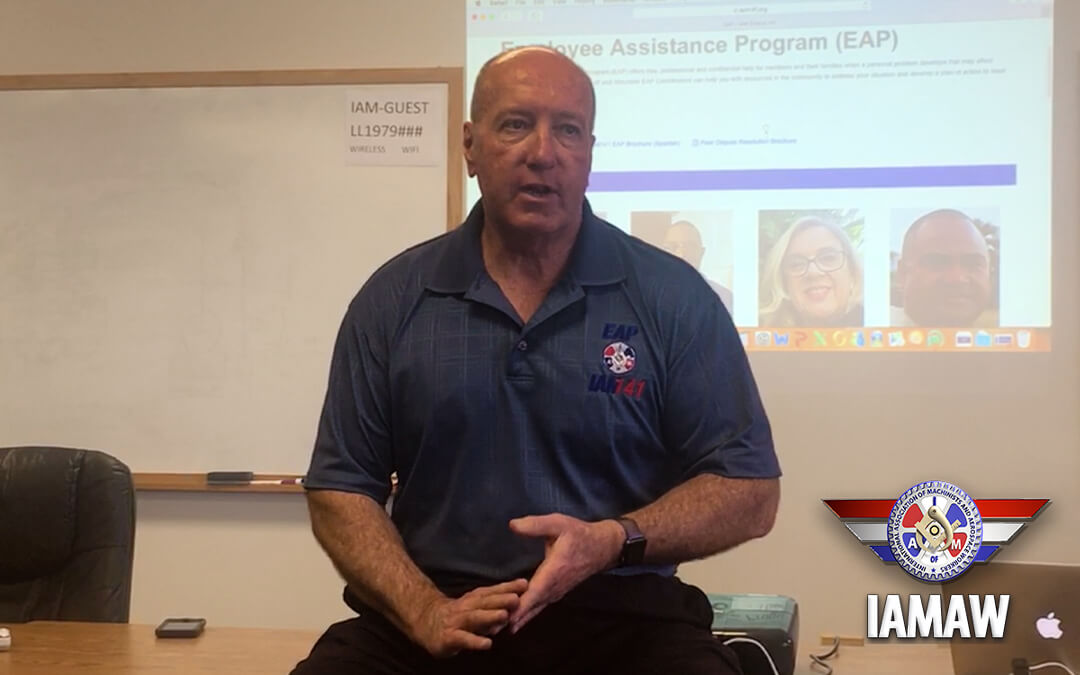
Managing Pandemic Stress in a Healthy Way: EAP Director, Bryan Hutchinson
141 Report: Employee Assistance Director, Bryan HutchinsonThe pandemic has hit airline workers particularly hard, creating a climate of job insecurity, isolation and the potential for addiction. This week, IAMAW District 141 EAP Director Bryan Hutchinson sits down...