

Summer Storms and Short-Staffing Cause Massive Travel Disruptions
On Monday, storms impacting the East Coast, stretching from Tennessee to New York, led to nearly 9,000 flights being delayed and an additional 1,768 cancellations across the U.S., as reported by FlightAware. A significant portion of these disruptions took place at Hartsfield-Jackson Atlanta International Airport, one of the world's busiest airports. It witnessed over 590 delays for departing flights, making up almost half of its daily roster, and more than 500 arriving flights were delayed, representing about 41% of its planned schedule.
Atlanta-based Delta Air Lines was particularly hard hit, which saw more than 1,300 delays and 440 flights canceled, or 11% of its entire schedule. "Due to continued severe weather that impacted our Atlanta hub, Delta teams are working hard to recover the operation and we apologize to our customers who've experienced delays to their travel plans," a spokesperson from the airline said in a statement aired on CNN.
The havoc continued into Tuesday, with another 1,400 delays and over 300 cancellations reported by noon, striking close to 17% of 10,060 daily scheduled commercial flights. The storms will impact an estimated 120 million travelers.
In response to the storms, the Federal Aviation Administration (FAA) announced plans to reduce or slow flights in the New York, Philadelphia, and Washington D.C. regions. It warned that weather-related delays might strike as far south as Florida. It is estimated that up to 120 million travelers will be affected.
The storms are not solely responsible for the mass delays and cancellations. Since the end of the Pandemic, airlines have been slow to hire enough employees to cover their operations. United Airlines, for example, used COVID Aid funding designed to retain its workforce to instead lure employees into early retirement. Like other airlines, United is now struggling to find new employees soon enough to handle summer and post-pandemic demand.
In July, Transportation Secretary Pete Buttigieg said his department is investigating several airlines, including United, for "unrealistic scheduling." According to Secretary Buttigieg, airlines were selling more tickets than they could reasonably expect to accommodate. According to Buttigieg, this practice was directly responsible for delays and cancellations during peak travel periods.
Commercial airlines urgently need to hire 32,000 new pilots, ramp and gate agents, and air traffic controllers, among other critical staff. The Department of Transportation says airlines are falling further behind each year, meaning the airline staffing crisis could stretch out over the next decade.


Related News

What’s At Stake? A conversation with District 141 Legislative and MNPL Director Dave Roderick
141 Report: New Jersey State Council of Machinists President, Ines Garcia-KeimOn the last District 141 Report before Election Day 2020, we talk with Dave Roderick about where the candidates for president stand on issues such as organizing rights, minimum wage laws,...
Have You Voted Yet?
We wanted to check in to make sure you have voted or have a plan to vote in this very important election. Visit iam2020.org to get all the information you need to vote. You may remember that IAM members voted to endorse Joe Biden in a first-of-its-kind membership vote...
“Halloween Hurricane” Zeta Batters Air Travel Along the Gulf Coast
Zeta has weakened to a tropical storm over Alabama after slamming into the Louisiana Coastline as a Catagory 2 hurricane just days before Halloween. Airline workers have faced 27 tropical storms in 2020, with 11 of them strengthening to hurricane status. The last year...
Stay up to date with all the latest news and information from the Machinists Union
Summer Storms and Short-Staffing Cause Massive Travel Disruptions
August 8, 2023
On Monday, storms impacting the East Coast, stretching from Tennessee to New York, led to nearly 9,000 flights being delayed and an additional 1,768 cancellations across the U.S., as reported by FlightAware. A significant portion of these disruptions took place at Hartsfield-Jackson Atlanta International Airport, one of the world's busiest airports. It witnessed over 590 delays for departing flights, making up almost half of its daily roster, and more than 500 arriving flights were delayed, representing about 41% of its planned schedule.
Atlanta-based Delta Air Lines was particularly hard hit, which saw more than 1,300 delays and 440 flights canceled, or 11% of its entire schedule. "Due to continued severe weather that impacted our Atlanta hub, Delta teams are working hard to recover the operation and we apologize to our customers who've experienced delays to their travel plans," a spokesperson from the airline said in a statement aired on CNN.
The havoc continued into Tuesday, with another 1,400 delays and over 300 cancellations reported by noon, striking close to 17% of 10,060 daily scheduled commercial flights. The storms will impact an estimated 120 million travelers.
In response to the storms, the Federal Aviation Administration (FAA) announced plans to reduce or slow flights in the New York, Philadelphia, and Washington D.C. regions. It warned that weather-related delays might strike as far south as Florida. It is estimated that up to 120 million travelers will be affected.
The storms are not solely responsible for the mass delays and cancellations. Since the end of the Pandemic, airlines have been slow to hire enough employees to cover their operations. United Airlines, for example, used COVID Aid funding designed to retain its workforce to instead lure employees into early retirement. Like other airlines, United is now struggling to find new employees soon enough to handle summer and post-pandemic demand.
In July, Transportation Secretary Pete Buttigieg said his department is investigating several airlines, including United, for "unrealistic scheduling." According to Secretary Buttigieg, airlines were selling more tickets than they could reasonably expect to accommodate. According to Buttigieg, this practice was directly responsible for delays and cancellations during peak travel periods.
Commercial airlines urgently need to hire 32,000 new pilots, ramp and gate agents, and air traffic controllers, among other critical staff. The Department of Transportation says airlines are falling further behind each year, meaning the airline staffing crisis could stretch out over the next decade.
Related
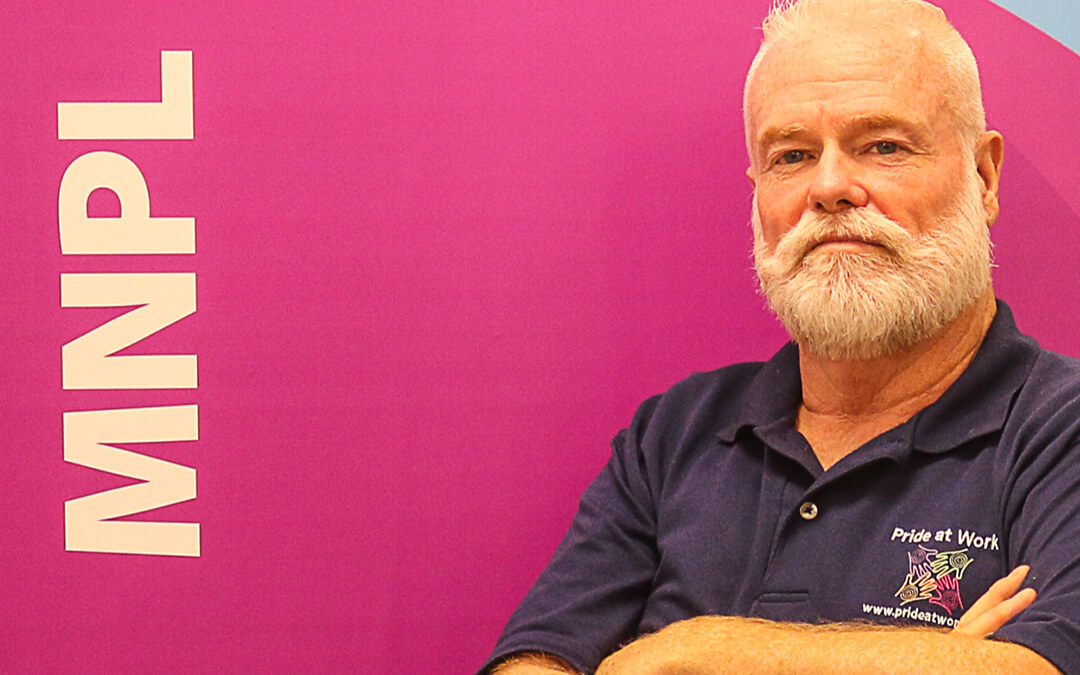
What’s At Stake? A conversation with District 141 Legislative and MNPL Director Dave Roderick
141 Report: New Jersey State Council of Machinists President, Ines Garcia-KeimOn the last District 141 Report before Election Day 2020, we talk with Dave Roderick about where the candidates for president stand on issues such as organizing rights, minimum wage laws,...
Have You Voted Yet?
We wanted to check in to make sure you have voted or have a plan to vote in this very important election. Visit iam2020.org to get all the information you need to vote. You may remember that IAM members voted to endorse Joe Biden in a first-of-its-kind membership vote...
“Halloween Hurricane” Zeta Batters Air Travel Along the Gulf Coast
Zeta has weakened to a tropical storm over Alabama after slamming into the Louisiana Coastline as a Catagory 2 hurricane just days before Halloween. Airline workers have faced 27 tropical storms in 2020, with 11 of them strengthening to hurricane status. The last year...