Emirates Hit with $1.8 Million Fine for JetBlue Code Share Flights
Emirates Hit with $1.8 Million Fine for JetBlue Code Share Flights
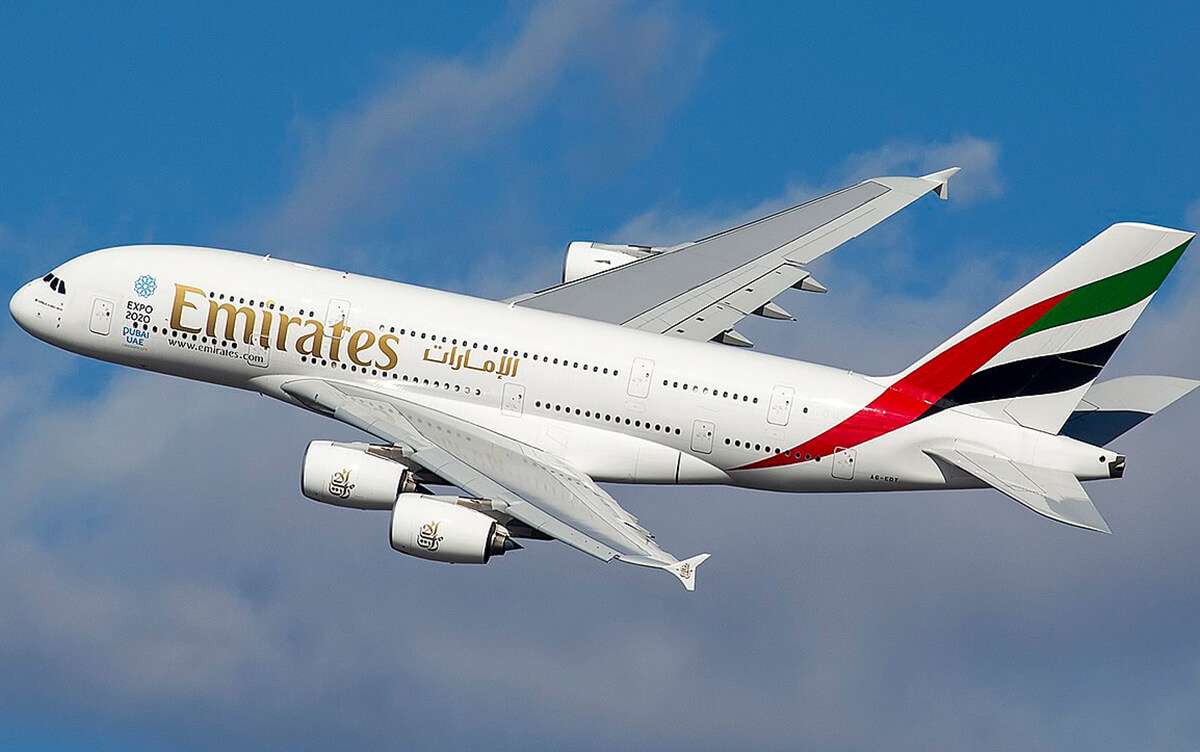
WASHINGTON - The USDOT has fined Emirates Airlines $1.8 million for flying through prohibited airspace over Iraq at an unsafe altitude. The flights were part of a code share agreement with JetBlue Airways, breaching U.S. aviation safety rules designed to protect U.S.-based carriers.
A code share agreement allows one airline to market and sell seats on a flight operated by another airline, effectively sharing the flight's operations and marketing efforts. Both airlines began codesharing in April 2021, intending to offer more travel options between the United States and destinations in Asia and Africa.
The fine was imposed after Emirates operated flights carrying JetBlue's designator code in regions where the Federal Aviation Administration (FAA) had imposed flight prohibitions for U.S. operators. These violations occurred between December 2021 and August 2022, during which Emirates flew over Iraqi airspace that the FAA had restricted for safety reasons. The FAA's restrictions over Iraq were due to heightened military activities and increased political tensions, which posed risks to civil aviation, including potential miscalculation or misidentification of aircraft.
"The U.S. Department of Transportation today fined Emirates $1.8 million for operating flights carrying JetBlue Airways' designator code in regions in which a Federal Aviation Administration flight prohibition was in effect for U.S. operators," said the DOT in its statement. "By operating these flights in this manner, Emirates violated the conditions of its authority to operate and engaged in passenger operations to and from the United States without the proper DOT authority."
Between December 2021 and August 2022, Emirates operated 122 flights through Iraqi airspace below the U.S.-mandated minimum altitude of FL320. These flights were performed under JetBlue's B6 flight designator. "By operating these flights in this manner, Emirates violated the conditions of its authority to operate," the DOT stated.
The United Airlines Labor Coalition, including the Machinists Union, Transport Workers Union, Air Line Pilots Association (ALPA), Association of Flight Attendants (AFA), and the Teamsters, also raised concerns regarding Emirates. They pointed to accounts of unfair labor practices and employee intimidation in the United Arab Emirates. In a letter, the coalition expressed their apprehension about the partnership between Emirates and U.S. airlines, highlighting the need for fair labor standards and respectful treatment of employees. The coalition's statement reflects broader concerns within the aviation industry about labor relations and the impact of such partnerships on workers.
Responding to the ruling, Emirates said it planned to operate the 122 flights at or above FL320 but could not secure air traffic control (ATC) clearance for this flight level. The airline stated, "While these flights were operating, ATC did not give clearance to ascend to FL320, or had categorically instructed these flights to operate below FL320. Our pilots duly followed ATC instructions, a decision which is fully aligned with international aviation regulations."
The DOT countered that Emirates "should have known" after the first few instances that local ATC might direct it to operate below FL320. "Emirates should and could have taken actions to avoid violating the condition of its codeshare statement of authorization but failed to do so," the DOT said in its ruling.
The DOT stressed that the fine was for continuing to operate below FL320 and not for Emirates' adherence to ATC instructions once in the air. After assessing all the evidence, the DOT concluded that enforcement action was warranted, particularly in light of the repeated violation.
"For the sake of the employees we represent, we sincerely hope for an improved climate, where cooperation and collaboration can exist and thrive," said the union coalition leaders in a joint letter.
Emirates has agreed to the settlement, with $1.5 million payable within 60 days and the remaining $300,000 within one year.
We have a quick favor to ask. If only 10% of union members sign up for regular donations to support important legislative and regulatory goals like this, we can put airline workers front and center on Capitol Hill. Becoming a recurring donor is more than a contribution—it's a commitment to our cause and a testament to the power of collective action. Every donation helps, no matter the size.

Related News
141 Report: The IAM Members Who Train Flight Crews
Did you know that IAM members train United pilots and flight attendants? This highly skilled and specialized group of 150 IAM members design programs and provide training in aircraft systems and emergency procedures for United’s flight crews. Did you know that IAM...

Tell Your Senator to Pass the PRO Act
[supsystic-social-sharing id='3']Most American workers want to join a union but can't. The PRO Act will help fix that. Nearly 60 percent of American workers would join a union if they had the opportunity to do so. American workers almost universally support pensions...
Primer on Inside Organizing Committees
[supsystic-social-sharing id='3']Inside Organizing Committees, often referred to as "Inside Committees" are a key part of organizing a workplace. Here's a little more information about how they work. Got Union questions? Call or text a Union Representative at (954)...
Stay up to date with all the latest news and information from the District 141 of the Machinists Union
Emirates Hit with $1.8 Million Fine for JetBlue Code Share Flights
18 June 2024
WASHINGTON - The USDOT has fined Emirates Airlines $1.8 million for flying through prohibited airspace over Iraq at an unsafe altitude. The flights were part of a code share agreement with JetBlue Airways, breaching U.S. aviation safety rules designed to protect U.S.-based carriers.
A code share agreement allows one airline to market and sell seats on a flight operated by another airline, effectively sharing the flight's operations and marketing efforts. Both airlines began codesharing in April 2021, intending to offer more travel options between the United States and destinations in Asia and Africa.
The fine was imposed after Emirates operated flights carrying JetBlue's designator code in regions where the Federal Aviation Administration (FAA) had imposed flight prohibitions for U.S. operators. These violations occurred between December 2021 and August 2022, during which Emirates flew over Iraqi airspace that the FAA had restricted for safety reasons. The FAA's restrictions over Iraq were due to heightened military activities and increased political tensions, which posed risks to civil aviation, including potential miscalculation or misidentification of aircraft.
"The U.S. Department of Transportation today fined Emirates $1.8 million for operating flights carrying JetBlue Airways' designator code in regions in which a Federal Aviation Administration flight prohibition was in effect for U.S. operators," said the DOT in its statement. "By operating these flights in this manner, Emirates violated the conditions of its authority to operate and engaged in passenger operations to and from the United States without the proper DOT authority."
Between December 2021 and August 2022, Emirates operated 122 flights through Iraqi airspace below the U.S.-mandated minimum altitude of FL320. These flights were performed under JetBlue's B6 flight designator. "By operating these flights in this manner, Emirates violated the conditions of its authority to operate," the DOT stated.
The United Airlines Labor Coalition, including the Machinists Union, Transport Workers Union, Air Line Pilots Association (ALPA), Association of Flight Attendants (AFA), and the Teamsters, also raised concerns regarding Emirates. They pointed to accounts of unfair labor practices and employee intimidation in the United Arab Emirates. In a letter, the coalition expressed their apprehension about the partnership between Emirates and U.S. airlines, highlighting the need for fair labor standards and respectful treatment of employees. The coalition's statement reflects broader concerns within the aviation industry about labor relations and the impact of such partnerships on workers.
Responding to the ruling, Emirates said it planned to operate the 122 flights at or above FL320 but could not secure air traffic control (ATC) clearance for this flight level. The airline stated, "While these flights were operating, ATC did not give clearance to ascend to FL320, or had categorically instructed these flights to operate below FL320. Our pilots duly followed ATC instructions, a decision which is fully aligned with international aviation regulations."
The DOT countered that Emirates "should have known" after the first few instances that local ATC might direct it to operate below FL320. "Emirates should and could have taken actions to avoid violating the condition of its codeshare statement of authorization but failed to do so," the DOT said in its ruling.
The DOT stressed that the fine was for continuing to operate below FL320 and not for Emirates' adherence to ATC instructions once in the air. After assessing all the evidence, the DOT concluded that enforcement action was warranted, particularly in light of the repeated violation.
"For the sake of the employees we represent, we sincerely hope for an improved climate, where cooperation and collaboration can exist and thrive," said the union coalition leaders in a joint letter.
Emirates has agreed to the settlement, with $1.5 million payable within 60 days and the remaining $300,000 within one year.
We have a quick favor to ask. If only 10% of union members sign up for regular donations to support important legislative and regulatory goals like this, we can put airline workers front and center on Capitol Hill. Becoming a recurring donor is more than a contribution—it's a commitment to our cause and a testament to the power of collective action. Every donation helps, no matter the size.

Related
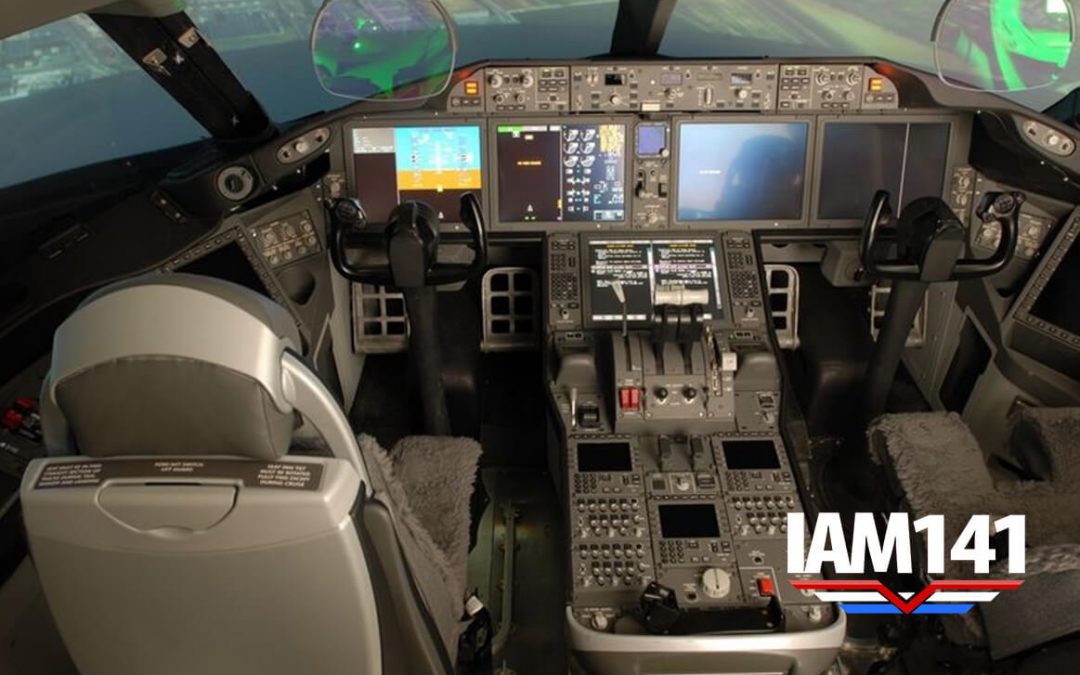
141 Report: The IAM Members Who Train Flight Crews
Did you know that IAM members train United pilots and flight attendants? This highly skilled and specialized group of 150 IAM members design programs and provide training in aircraft systems and emergency procedures for United’s flight crews. Did you know that IAM...
Tell Your Senator to Pass the PRO Act
[supsystic-social-sharing id='3']Most American workers want to join a union but can't. The PRO Act will help fix that. Nearly 60 percent of American workers would join a union if they had the opportunity to do so. American workers almost universally support pensions...
Primer on Inside Organizing Committees
[supsystic-social-sharing id='3']Inside Organizing Committees, often referred to as "Inside Committees" are a key part of organizing a workplace. Here's a little more information about how they work. Got Union questions? Call or text a Union Representative at (954)...